
Custom Food Packaging Boxes: A Practical Buyer's Guide
Packaging isn't just a container—it's the first thing a customer touches and often the reason they remember your brand. In fact, roughly 75% of American consumers say packaging influences their purchase decisions. That's why custom food packaging boxes matter: done right, they protect freshness, meet U.S. safety rules, and turn every order into a branding moment. This guide breaks down what these boxes are made of, what "food grade" actually means, and how to choose the right option before you place an order.
What Are Custom Food Packaging Boxes?
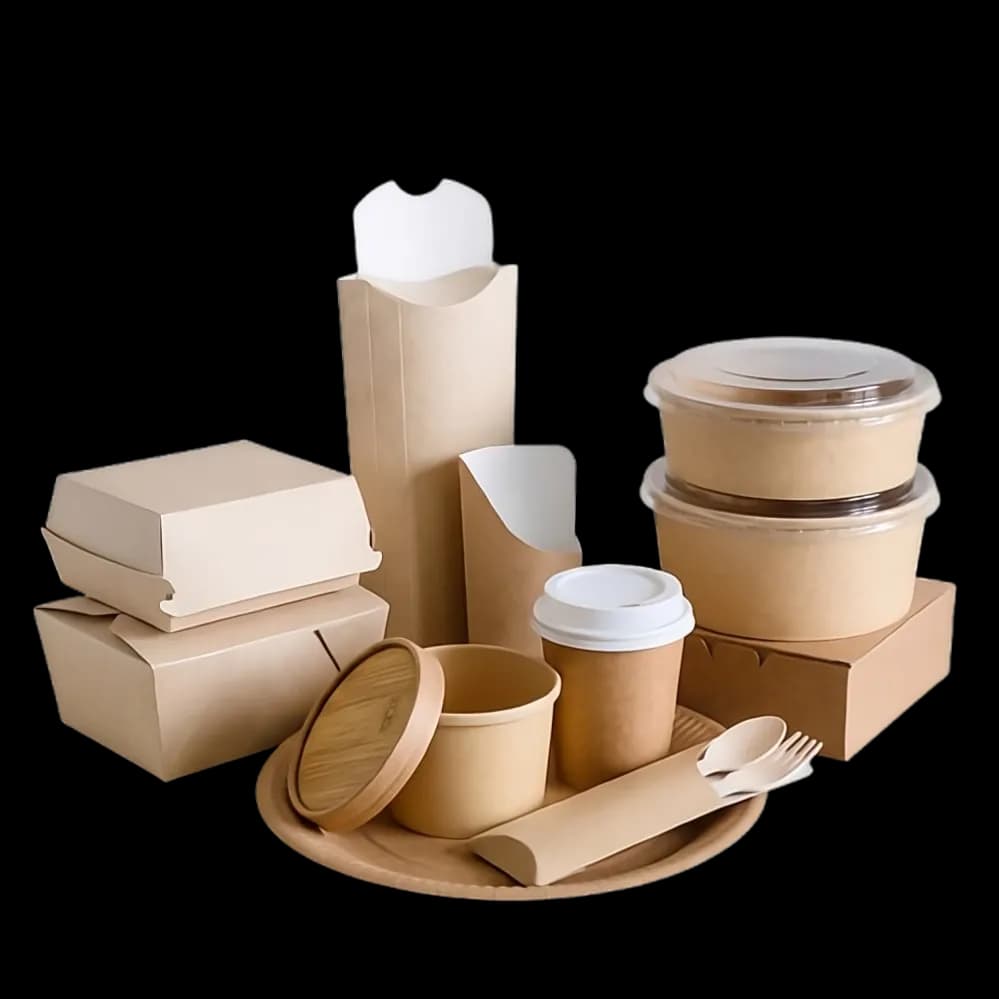
Custom food packaging boxes are containers built specifically for direct contact with food and printed to match your brand. Unlike generic stock boxes, they're made to your dimensions, style, and artwork—from burger and bakery boxes to pizza boxes, takeout containers, and cereal cartons. Businesses order custom food packaging boxes to stand out on the shelf, protect their product, and reinforce their brand with every single order.
Most are made from paper-based stock: kraft, cardboard, corrugated fiberboard, and coated paperboard (SBS). Each is chosen for a reason—kraft for a natural, rustic look, corrugated for strength and shock absorption, and coated paperboard for crisp, full-color printing.
Food Grade vs. Food Safe: What's the Difference?
These terms get used interchangeably, but they aren't the same thing. Food grade means the material is approved to come into contact with food. Food safe means that material is also suitable for its specific intended use without creating a hazard. A box can be food grade in general yet the wrong choice for, say, a hot greasy item if it lacks the right coating. When you buy food grade boxes, you want both boxes: material that's approved and right for your food.
Are Custom Food Boxes FDA-Approved?
Here's a nuance most suppliers skip: the FDA doesn't individually "approve" every box. Instead, it regulates food-contact substances under 21 CFR, requiring "a reasonable certainty of no harm" under a material's intended conditions of use, according to the U.S. Food and Drug Administration. Compliance is the responsibility of the manufacturer and brand owner. The practical takeaway: work with a supplier that sources FDA-compliant stock, inks, and coatings and can confirm it for your use case.
How to Choose the Right Material by Food Type
Matching the box to the food is where first-time buyers most often slip up. A quick rule of thumb:
- Greasy or oily foods (burgers, fries, pastries): choose grease-resistant coated stock so oil doesn't soak through.
- Moist or hot foods (takeout meals): look for moisture-resistant liners that stand up to steam.
- Frozen or chilled items: use sturdier corrugated or coated board that resists condensation.
- Dry goods (cereal, candy, baked treats): standard paperboard prints beautifully and keeps costs low.

Eco-Friendly Food Packaging Options
Sustainability sells—71% of consumers now prioritize sustainable packaging—but the labels get confusing. Here's the plain-English version:
- Recyclable: can be processed into new products (most kraft and cardboard).
- Biodegradable: breaks down naturally over time.
- Compostable: breaks down into non-toxic material under composting conditions.
Choosing eco-friendly food packaging made from kraft or recycled board, paired with soy-based inks, gives you a greener footprint without giving up durability—and it's a selling point customers actively look for.
Branding, Printing, and Order Basics
Custom food box printing is where your brand comes alive. Full-color CMYK printing puts your logo, colors, and artwork on every box, while PMS (Pantone) matching keeps brand colors exact. Finishes like matte or gloss lamination, soft-touch coating, foil stamping, and embossing add a premium feel, and die-cut windows let customers see the product inside.
On the ordering side, many suppliers—including options for custom food boxes wholesale—start at a minimum order quantity of around 100 units, so you don't have to commit to a massive run to get custom work. Production typically takes 6–20 business days depending on complexity, with rush options often available in 4–5 days.

Frequently Asked Question
Are custom food boxes safe for direct food contact?
Yes—when they're made from food grade stock and printed with food-safe inks. In the U.S., these materials are expected to meet FDA food-contact standards under 21 CFR, and compliance rests with the manufacturer, so source from a supplier that can confirm it.
What is the minimum order quantity for custom food boxes?
It varies by supplier, but many offer custom food boxes wholesale starting at about 100 units. That low threshold makes custom packaging accessible to small restaurants, bakeries, and new food brands.
Are eco-friendly food boxes as durable as regular ones?
In most cases, yes. Kraft and recycled corrugated board are both food safe and strong. With the right coating, eco-friendly food packaging performs just as well for takeout, bakery, and shipping needs.
Ready to Package Your Product?
The right box protects your food, meets U.S. safety expectations, and turns every order into a brand moment. When you're ready to move from research to reality, explore custom food packaging boxes from Nexon Packaging—food-grade materials, eco-friendly options, low MOQs, and free design support to get you press-ready fast.